Portfolio Insights
How AI Is Reshaping Office Competitiveness
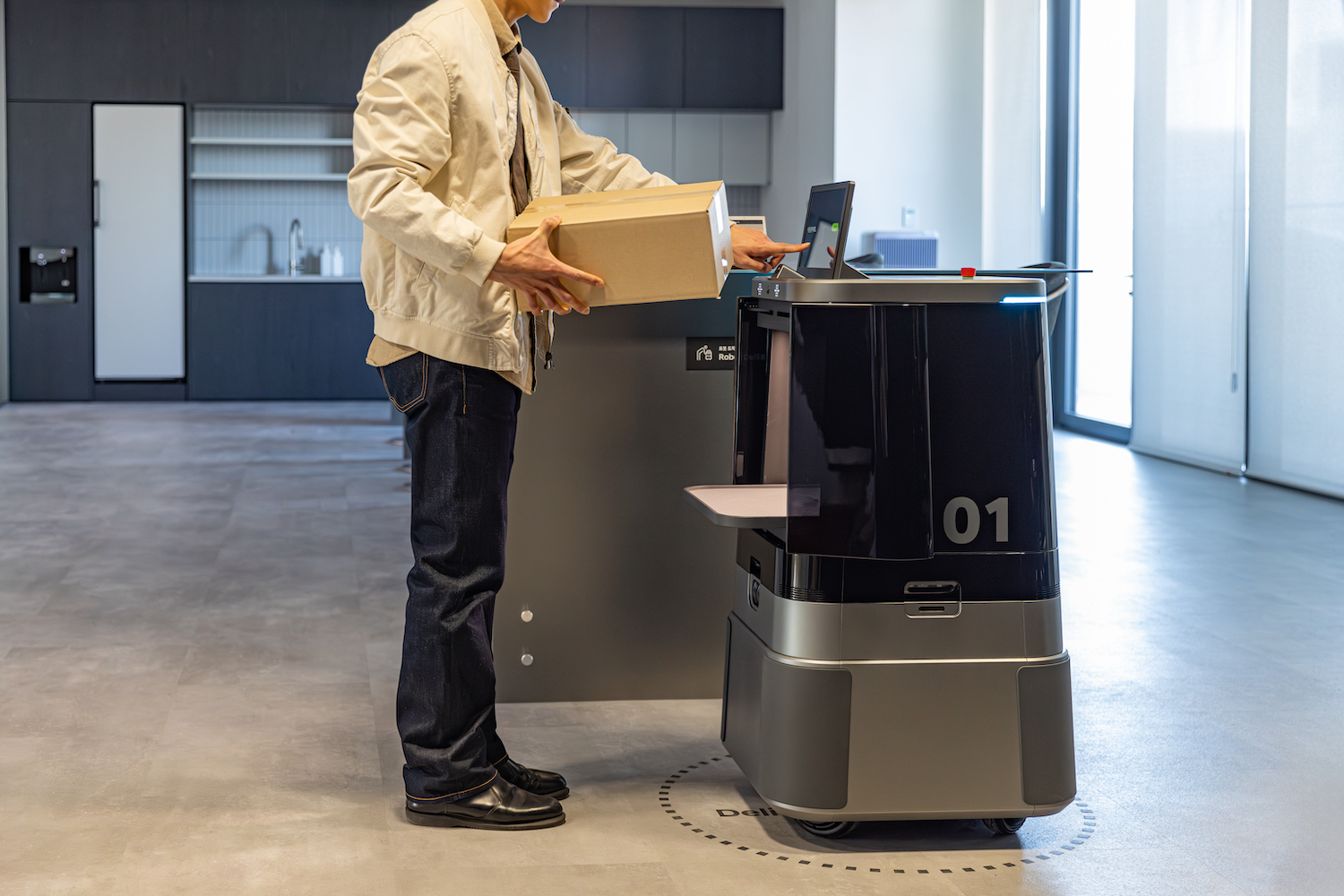
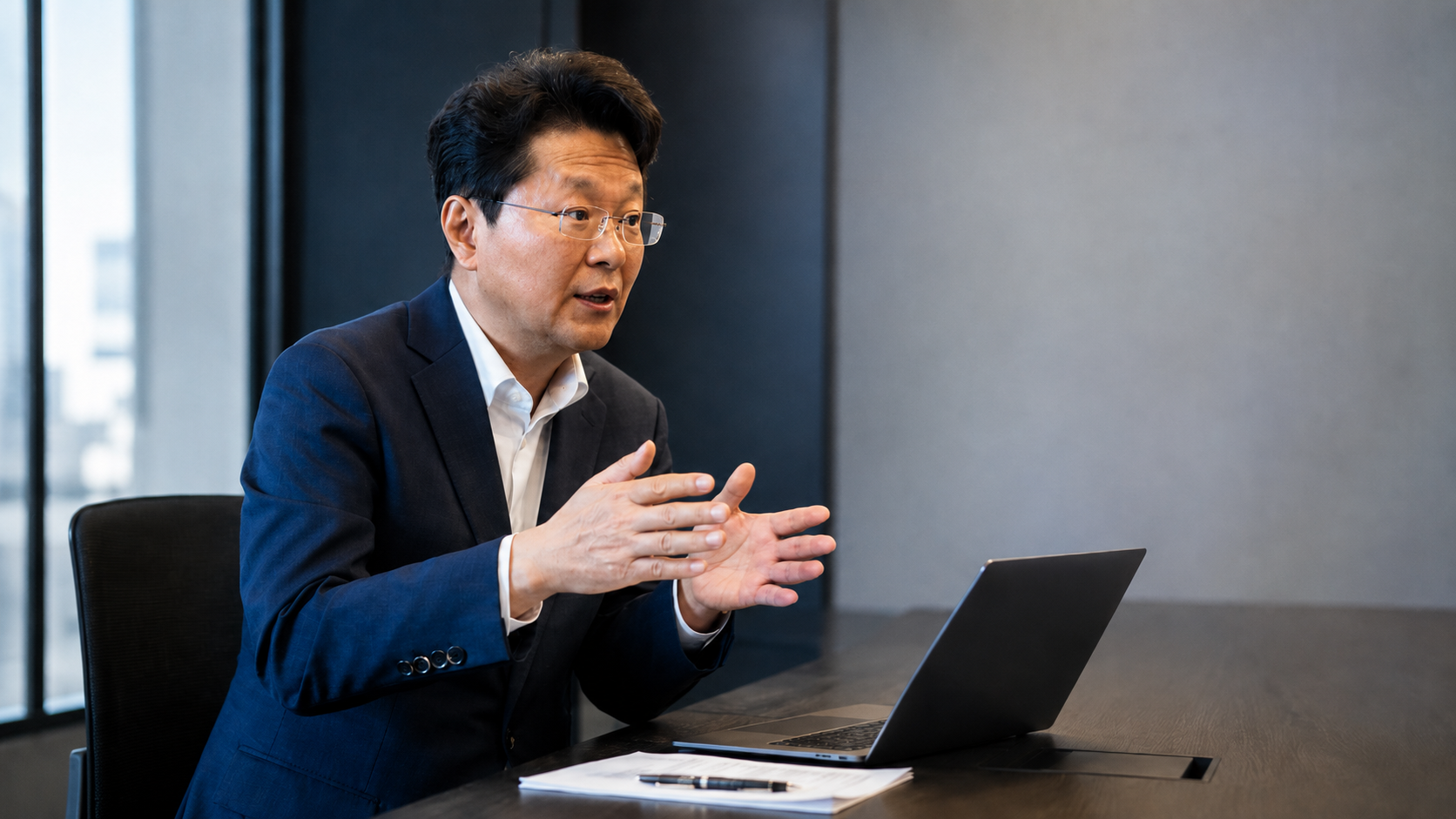
Corporate occupiers are taking a more comprehensive approach to evaluating office space. Beyond location and physical specifications, they are increasingly considering whether a building can enhance workplace productivity, deliver a differentiated user experience, and manage operating costs, including energy expenses, efficiently. Offices are no longer viewed simply as places to work, but as strategic assets that can contribute to business performance. Advances in artificial intelligence are accelerating this shift. By analyzing building operational data and optimizing energy consumption and building systems, AI makes it possible to continuously improve workplace environments. In South Korea's office market, where demand is increasingly concentrated in higher-quality assets, these capabilities are becoming important considerations in assessing leasing competitiveness and asset value. How is AI changing the competitive landscape for office assets in South Korea? We spoke with Hyunsoo Kim, Managing Director at IGIS Asset Management, about the evolving drivers of office value and the investment and asset management strategies needed to respond. Q. You have noted that the criteria for assessing office competitiveness are changing. What is the most significant shift? Historically, location and physical specifications were the primary determinants of an office asset's value. Today, user experience is emerging as another important dimension. I describe this as the third generation of office evolution. The first generation centered on location, the second on space and physical specifications, and the third on differentiation through user experience. This does not mean that location or building quality has become less important. Rather, even properties with comparable locations and physical attributes can differ significantly in their ability to attract tenants, depending on the experience they offer and how effectively they respond to occupier needs. This shift reflects a broader change in how companies approach their workplaces. Businesses increasingly recognize office space not merely as a cost center, but as a strategic resource that influences employee productivity, collaboration, and talent attraction and retention. As a result, workplace quality and space utilization are becoming important factors in leasing decisions alongside rent and location. We are seeing signs of this trend in Seoul's office market, where occupiers are showing a growing preference for higher-quality workplace environments. What is particularly notable is that companies are evaluating both building quality and operational efficiency when relocating or reconfiguring their office space. Q. What does this shift mean for investment opportunities in South Korea's office market? South Korea's office market has maintained relatively high office attendance rates and resilient occupier demand compared with many other major global cities. More recently, however, corporate relocations and workplace restructuring have contributed to a growing concentration of leasing demand in higher-quality assets. In this environment, investment performance increasingly depends not only on market-wide supply and demand dynamics, but also on the competitiveness of individual properties. I generally assess real estate investment performance through two dimensions: cost competitiveness and leasing competitiveness. The former concerns acquiring assets at attractive prices and managing development and improvement costs efficiently. The latter concerns an asset's ability to generate stable, recurring cash flow through effective leasing and tenant retention. Importantly, higher headline rents do not necessarily translate into stronger underlying profitability. Rent-free periods, leasing incentives, vacancy, and operating expenses must all be considered when evaluating actual investment returns. Even properties achieving similar headline rents can generate different levels of net operating income (NOI), depending on tenant retention and operating cost structures. For investors in South Korea's office market, this means looking beyond acquisition pricing and location to assess how effectively an asset's leasing competitiveness can be enhanced over the holding period—and how those improvements can translate into effective rental income and sustainable cash flow. As occupier demand becomes increasingly differentiated across properties, the value of strong operational capabilities will become even more pronounced. Q. In this context, you have emphasized the concept of "AI Ready." How does it differ from conventional smart buildings? Traditional smart buildings have generally focused on automating individual systems and improving operational efficiency. An AI Ready building goes further by establishing an integrated data infrastructure that enables continuous improvements in building operations. At the center of this approach is the Building Operating System (Building OS). It integrates data from systems such as HVAC, lighting, and energy management, allowing AI to analyze building performance and optimize equipment operations. For example, heating, cooling, and ventilation can be adjusted according to occupancy patterns and external weather conditions, maintaining a comfortable workplace environment while reducing unnecessary energy consumption. From an investment perspective, scalability and flexibility are particularly important. Conventional office buildings depend heavily on the physical specifications established at completion. AI Ready buildings, by contrast, have the potential to improve operational performance over time through data and software. Certain capabilities can also be added or upgraded without extensive physical retrofitting. Achieving this requires developers to consider data infrastructure, system connectivity, and future scalability from the earliest planning stages. For existing properties with equipment installed at different times, interoperability and data integration can present significant challenges. Ultimately, AI readiness should be understood not simply as the adoption of new technology, but as an investment and development strategy for maintaining operational efficiency and long-term asset competitiveness as occupier requirements evolve. Q. How can AI-enabled building operations translate into higher rental income and asset value, beyond improving operational efficiency? The value of AI-enabled building operations can be assessed across two principal dimensions: lower operating costs and stronger leasing competitiveness. First, AI can analyze occupancy patterns and equipment performance to optimize energy consumption and improve maintenance efficiency. Depending on how operating costs are allocated between landlords and tenants, these improvements can contribute to higher net operating income (NOI) or lower total occupancy costs for tenants. There are also potential benefits for rental income. Companies consider a range of factors when selecting office space, including not only rent but also service charges, energy costs, and workplace quality. An efficiently operated building may be able to offer lower total occupancy costs while maintaining competitive rental levels. This can help mitigate vacancy risk and support more stable rental income. These capabilities also contribute to long-term competitiveness from an ESG perspective. The ability to systematically measure and manage energy consumption and carbon emissions is increasingly important for meeting evolving environmental standards and the sustainability requirements of global occupiers and institutional investors. However, the initial capital investment and ongoing maintenance costs must also be considered. Ultimately, the value of technology investment should be measured not simply by the percentage reduction in operating expenses, but by its ability to deliver sustained improvements in net income relative to the investment required—and translate those gains into long-term asset value. Q. FACTORIAL SEONGSU is an example of this strategy in practice. What results have you seen in terms of leasing competitiveness and operational efficiency? FACTORIAL SEONGSU was conceived from the outset as a project that would integrate technology and operational strategy to enhance asset competitiveness. The building brings together Samsung Electronics' IoT technology, Hyundai Motor Group's robotics, and a Building OS jointly developed with Pinpoint to improve both building management efficiency and the user experience. Rather than operating individual systems independently, the project connects the building through a unified platform. The Building OS developed as part of this initiative received a CES 2025 Innovation Award. This approach has translated into tangible results in both leasing and building operations. The property achieved 100% pre-leasing before completion, while AI-powered building management solutions helped optimize HVAC operations, reducing energy consumption by approximately 27% across the relevant systems.¹ ¹ Based on an energy-saving demonstration study conducted by a research team at Pukyong National University from June 1 to September 30, 2025, covering cooling and HVAC equipment at FACTORIAL SEONGSU. The results were achieved using Samsung Electronics' integrated building management solution (b.IoT). Actual energy savings may vary depending on operating conditions, equipment configurations, and building management practices. Of course, these outcomes reflect a combination of factors, including the property's location and the advantages of a newly developed building. Nevertheless, FACTORIAL SEONGSU demonstrates how technology-enabled operational strategies can contribute to stronger leasing competitiveness and greater operating efficiency. The asset was sold in late 2025. Building on this experience, we are now preparing the second and third FACTORIAL projects in key business districts across Seoul. Our goal is to further develop the technology and operational expertise gained at FACTORIAL SEONGSU, adapting them to the characteristics and occupier requirements of each new property. Q. Looking ahead, how do you expect AI and digital technologies to reshape competition and investment strategies in South Korea's office market? I believe the ability to continuously enhance asset competitiveness throughout the holding period will become increasingly important, alongside identifying high-quality investment opportunities and acquiring properties at attractive prices. As businesses rethink their workplace environments and space utilization strategies, asset managers will need deeper expertise in understanding and responding to evolving occupier requirements. AI and digital technologies are important enablers of this shift. Building operational data can be used to improve energy efficiency and workplace environments, while the insights generated can inform investment and asset management decisions. The key is to move beyond applying these capabilities to individual projects and develop a repeatable approach that can be deployed across future investments and developments. Ultimately, I believe the competitiveness of real estate asset managers will depend not only on the performance of individual investments, but also on their ability to combine technological expertise with real estate investment and asset management capabilities to create sustainable value over time. Edited by Soyeong Park, Brand Communication Manager ──────────── -This content has been prepared for informational purposes only and is not intended to serve as a basis for investment decision-making by users. It is not created for the purpose of promoting, soliciting, or recommending financial investment products, providing investment advice, or making stock recommendations. The company makes no express or implied representations or warranties regarding the accuracy or completeness of any materials or information provided in this content. Furthermore, the company assumes no responsibility or liability for any damages or losses incurred because of investment decisions made based on this content. Potential investors shall not raise any objections in this regard. -The above information is based on data as of October 2026 and has been prepared in compliance with applicable laws and internal control standards. The materials and information in this content are subject to change due to changes in market conditions, the stock market, interest rates, inflation, tax policies, and other social, economic, or policy-related factors. Additional risks may arise from asset price fluctuations, exchange rate volatility, credit rating downgrades, declines in real estate prices, investment performance results, or unforeseen natural disasters such as fires, floods, or pandemics. Consequently, financial (investment) products may result in partial or total loss of the principal investment, with such losses being borne by the investor. These products are not protected by the Korea Deposit Insurance Corporation under the Depositor Protection Act. Past performance does not guarantee future returns, and the results may differ from the performance at the time of content creation or in the future. Additional transaction and other costs may also apply. -This content has not been legally submitted or registered, nor has it been approved under any applicable law. It may contain subjective opinions that do not necessarily represent the official views or statements of the company. This content is not intended to solicit, offer, or recommend the subscription, purchase, or sale of securities. Investors have the right to receive sufficient explanations from financial product sellers in accordance with applicable laws. All investment decisions should be made carefully and solely on the information provided in the securities registration statement, (preliminary) investment prospectus, and terms and conditions. Investors should make prudent decisions based on their own judgment. [IGIS Asset Management Co., Ltd. Compliance Officer Review No. 900-26-Ad-103 (October 22, 2026 – October 21, 2027)]
26. 11. 02